
I Tested 11 Product Hunting Tools. Here's What's Actually Worth Paying For
I put the popular Amazon and ecommerce research tools side by side. Here's what's actually worth your money in 2026.

I spent a couple weeks going back through the product research stack I recommend to people, mostly because a few of these tools have shipped enough updates lately that my old notes were stale.
Most “best tools” posts on this topic only cover Amazon, which makes sense since that’s where most of the search volume is. But if you’re selling on Shopify, running a TikTok Shop, or just trying to catch a trend before it’s crowded, an Amazon only toolkit leaves a gap. So this list covers both: the Amazon staples everyone already knows about, plus a few that work across platforms.
Here’s what I found, starting with the one I’d open first regardless of what I ended up buying.
What “product hunting” actually means
Product hunting is scanning for products with rising demand and low enough competition that you can still get in. It’s different from product research, which usually starts after you already have an idea and just need to confirm it’s worth pursuing.
Hunting comes first, research comes second. Most people only have tools for the second step, which is part of why so many sellers end up chasing the same saturated products everyone else found on the same three subreddits. A discovery layer, something that shows you what’s rising before it has enough sales data to show up in a marketplace tool, is the piece most stacks are missing.
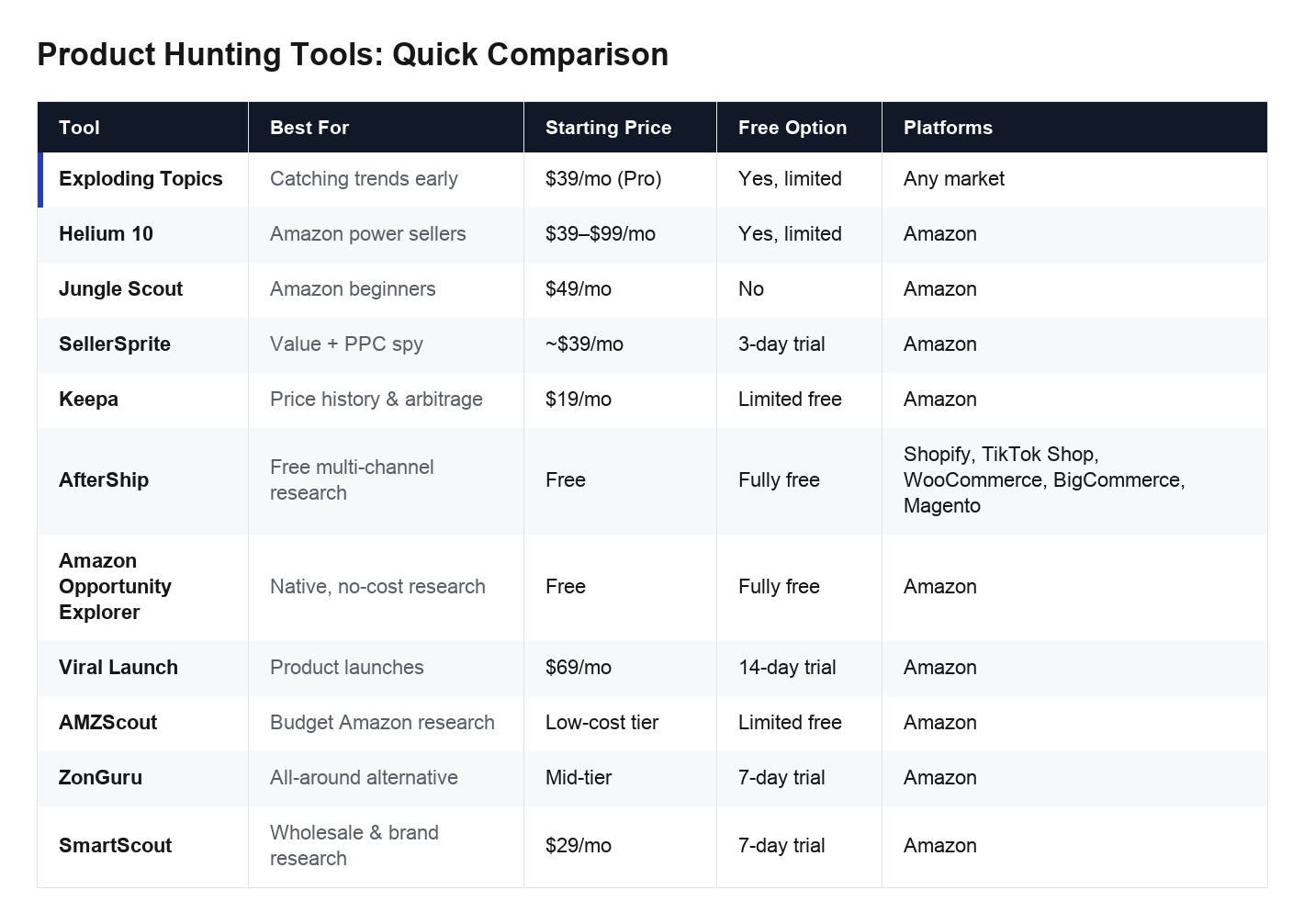
Quick comparison
The full rundown
1. Exploding Topics
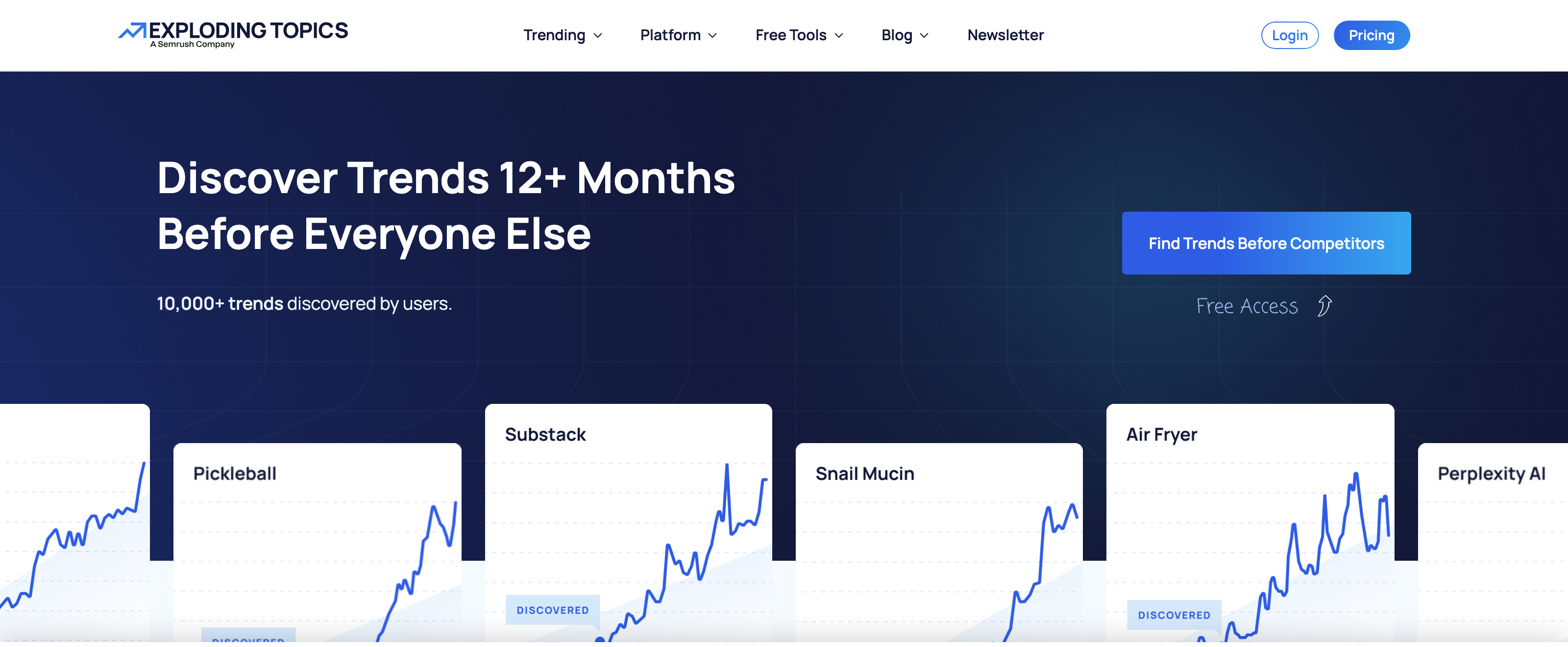
Best for catching a trend before it’s crowded.
Almost every other tool on this list tells you whether a product that’s already selling is worth going after. Exploding Topics does something earlier: it flags things before they show up as strong candidates anywhere else. By the time a product has enough sales history to look good inside Helium 10 or Keepa, other sellers have usually already found it too.
It’s not locked to Amazon, so if you’re watching TikTok Shop or a general category instead of one SKU, it’s more useful than a marketplace tool. It also surfaces BSR and review data once a product catches your eye, so you’re not left guessing on demand signals, and the Pro plan adds trend forecasting and export so you can build a running list instead of checking back manually.
The one thing it won’t do is run FBA fee math or margin calculations. For that last step before you commit to inventory, you’ll still want a marketplace-specific calculator. But as the first tool I open when I don’t have a product in mind yet, nothing else on this list does that job as well.
2. Helium 10
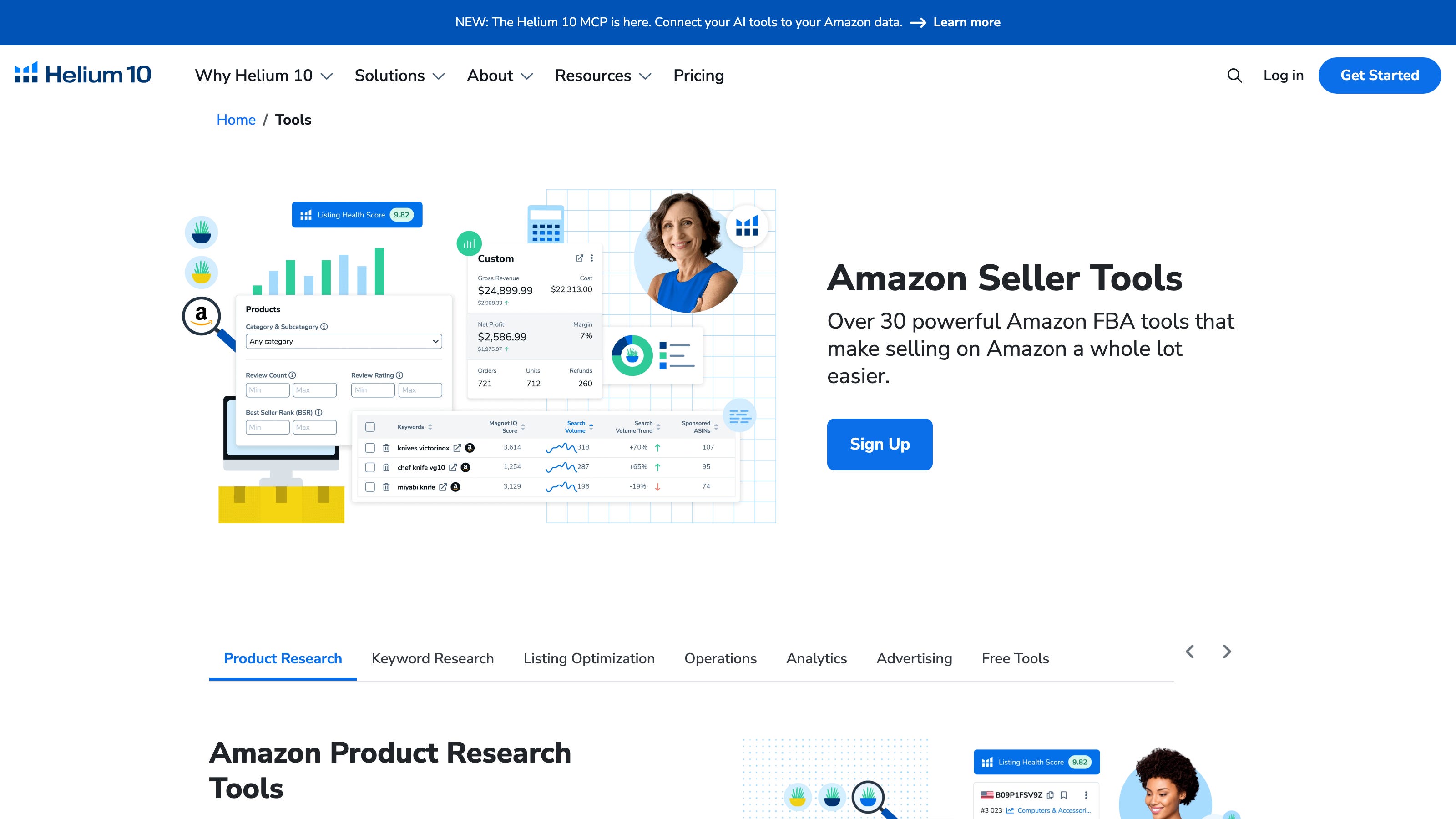
Best all-in-one for Amazon sellers who already know their product.
Bundles product research, keyword research, listing tools, and competitor tracking into one account. Useful once you’re validating a specific ASIN. Full functionality sits behind the $99/month tier, and the interface takes some time to learn.
3. Jungle Scout
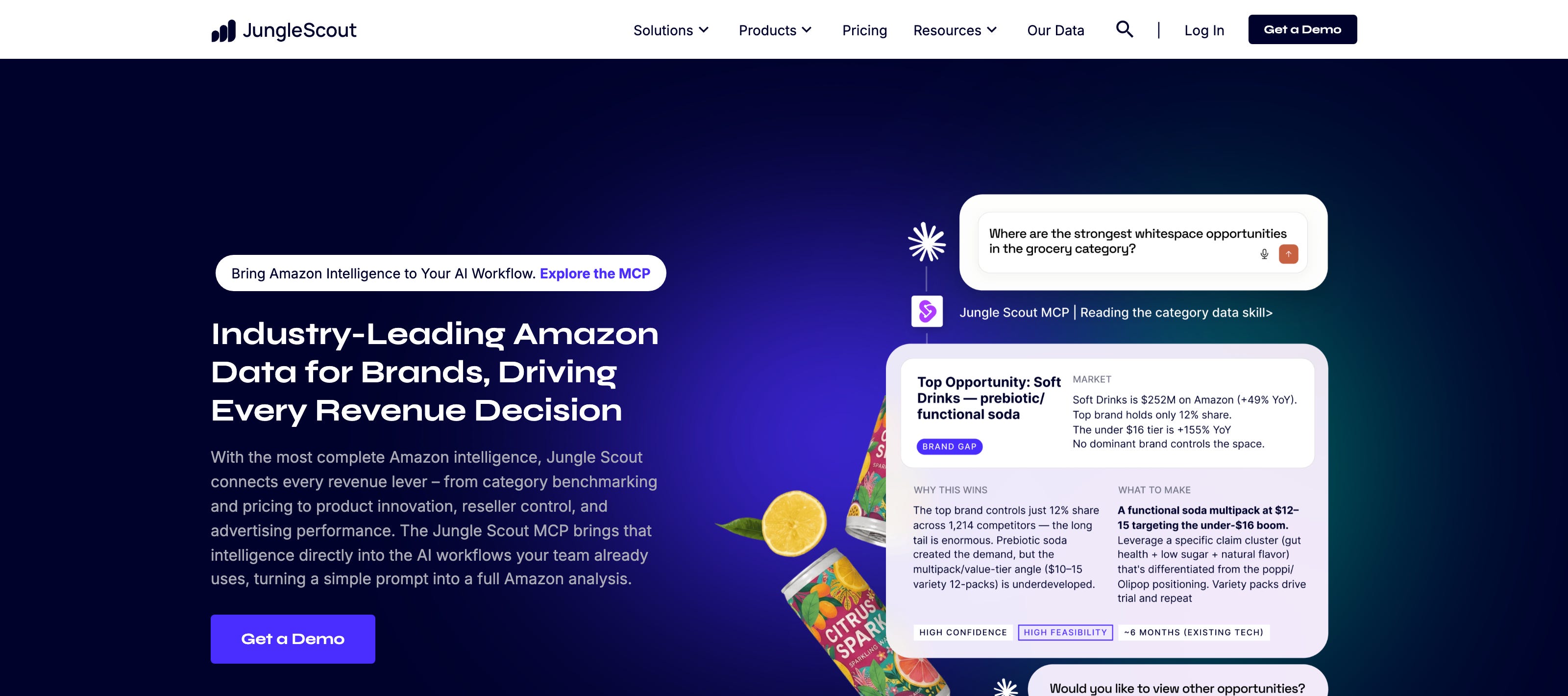
Good for Amazon beginners who want a gentler learning curve.
Simpler interface than Helium 10, with an Opportunity Score that filters product ideas without requiring much prior knowledge. No free plan, trial only. Less ad/PPC depth than Helium 10 once you’re past the beginner stage.
4. SellerSprite
Best for Amazon sellers who also want competitor ad data on a budget.
Covers reverse ASIN lookup and PPC spy at a lower price than Helium 10. Smaller community, so less third-party tutorial content if you get stuck.
5. Keepa
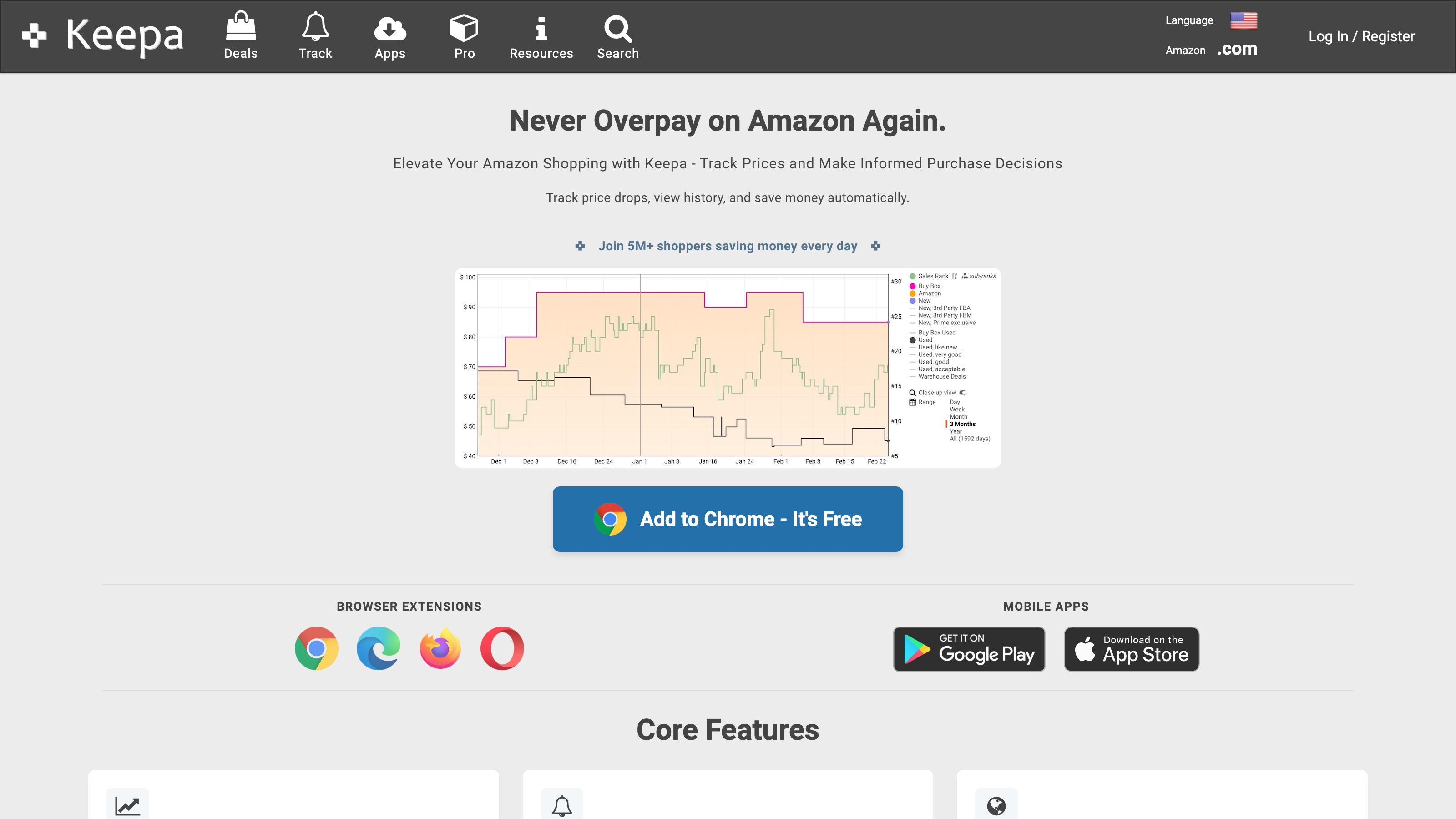
Best for Amazon price history and arbitrage.
Tracks price and rank history over time. Useful for resellers who need to know how a price has moved, not for finding new product ideas. You need a product in mind already for this one to be useful.
6. AfterShip Product Research Tool
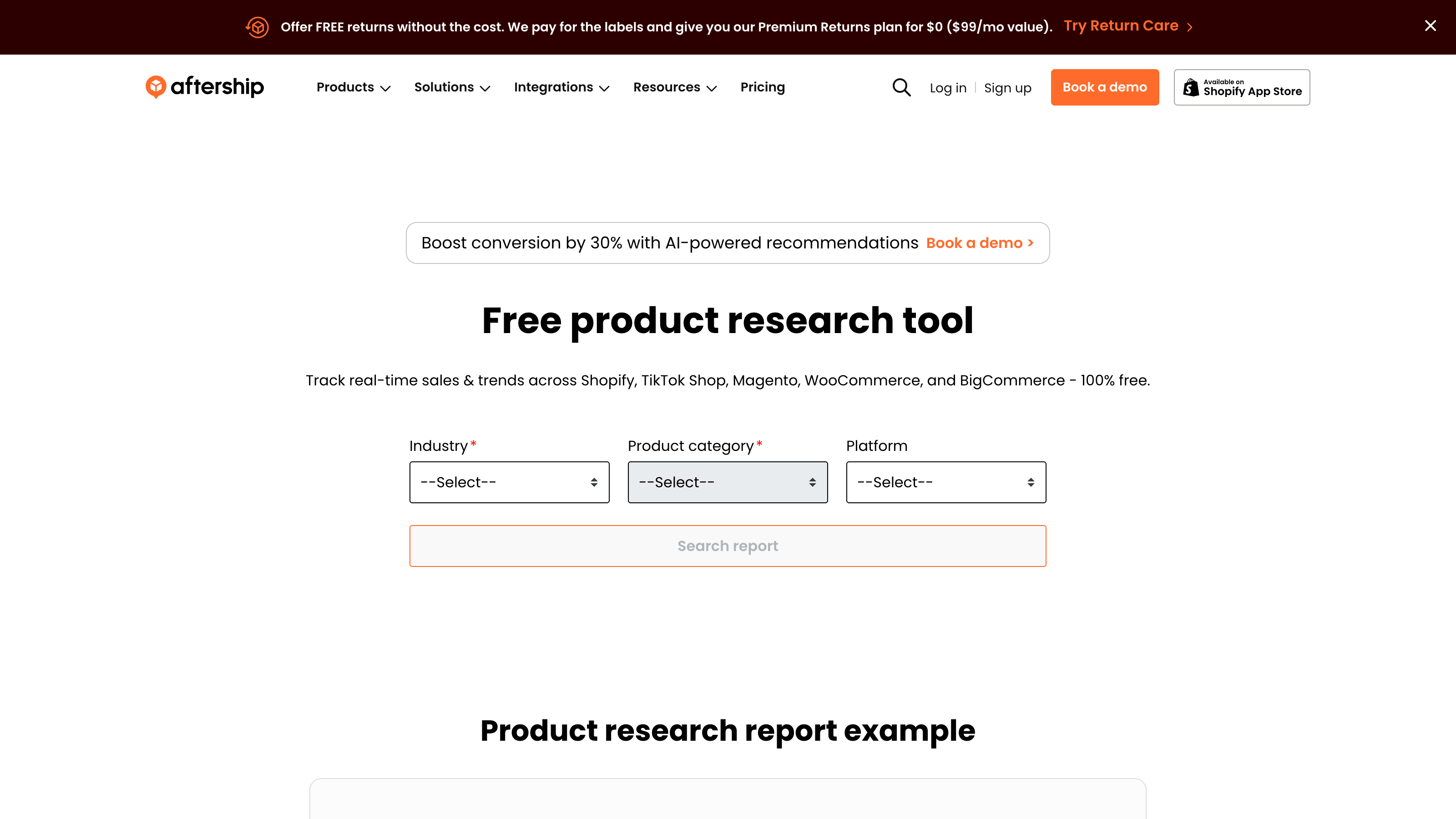
Best free option if you’re not on Amazon.
Free tool covering Shopify, TikTok Shop, WooCommerce, BigCommerce, and Magento. Data is shallower than the Amazon-specific paid tools, and it’s built by a shipping company as a secondary product, so don’t expect it to be updated as a priority.
7. Amazon Product Opportunity Explorer
Best if you want native Amazon data at no cost.
Built into Seller Central, pulling from Amazon’s own search and purchase data. Requires an active Seller Central account, so it’s not available until you’ve already committed to selling there.
8. Viral Launch
Best for managing a launch you’ve already planned, less useful for finding the product in the first place.
9. AMZScout
A cheaper, lighter-weight alternative to Helium 10. Fine for testing the waters, but sellers tend to outgrow it once they scale past a few products.
10. ZonGuru
Covers similar ground to Jungle Scout without a clear reason to pick it over the tools above it on this list.
11. SmartScout
Built for brand and wholesale-level analysis rather than individual product ideas. More tool than you need if you’re just trying to find your next product.
How I’d actually pick one
Start with a trend tool before you open anything marketplace-specific; that’s true no matter which platform you end up selling on. I’d open Exploding Topics first to see what’s actually rising, then move into a marketplace tool to validate the specific product once I had a shortlist.
From there, if you’re Amazon-only and want one subscription that does everything, Helium 10 or Jungle Scout covers the validation step. If you’re not on Amazon, or you’re testing across a few channels, AfterShip’s free tool fills that gap.
The mistake I made early on was skipping the first step. I’d open Helium 10 first and only look at products that already had sales history, which meant I was always a step behind whoever found it first.
FAQ
What is product hunting?
It’s the process of finding products with rising demand and workable competition before a market fills up, using data instead of a guess.
Which tool is best for product hunting?
If you mean finding the idea in the first place, Exploding Topics is built specifically for that. If you already have a product and need to validate it on Amazon, Helium 10 or Jungle Scout are the standard picks for that step.
Can I make $1,000 a month selling on Amazon?
It’s possible, and plenty of sellers do it, but it depends heavily on product margin, ad spend, and how saturated your category is. A research tool improves your odds. It doesn’t guarantee the number.
How do I find out what products people are searching for?
For Amazon-specific search volume, the keyword tools inside Helium 10 or Jungle Scout work fine. For broader demand signals before something shows up as an Amazon trend, Exploding Topics tracks that earlier.
Is there a free product hunting tool?
Exploding Topics has a free tier for browsing trends, with forecasting features behind Pro. AfterShip and Amazon’s own Product Opportunity Explorer are also free, though narrower in scope.